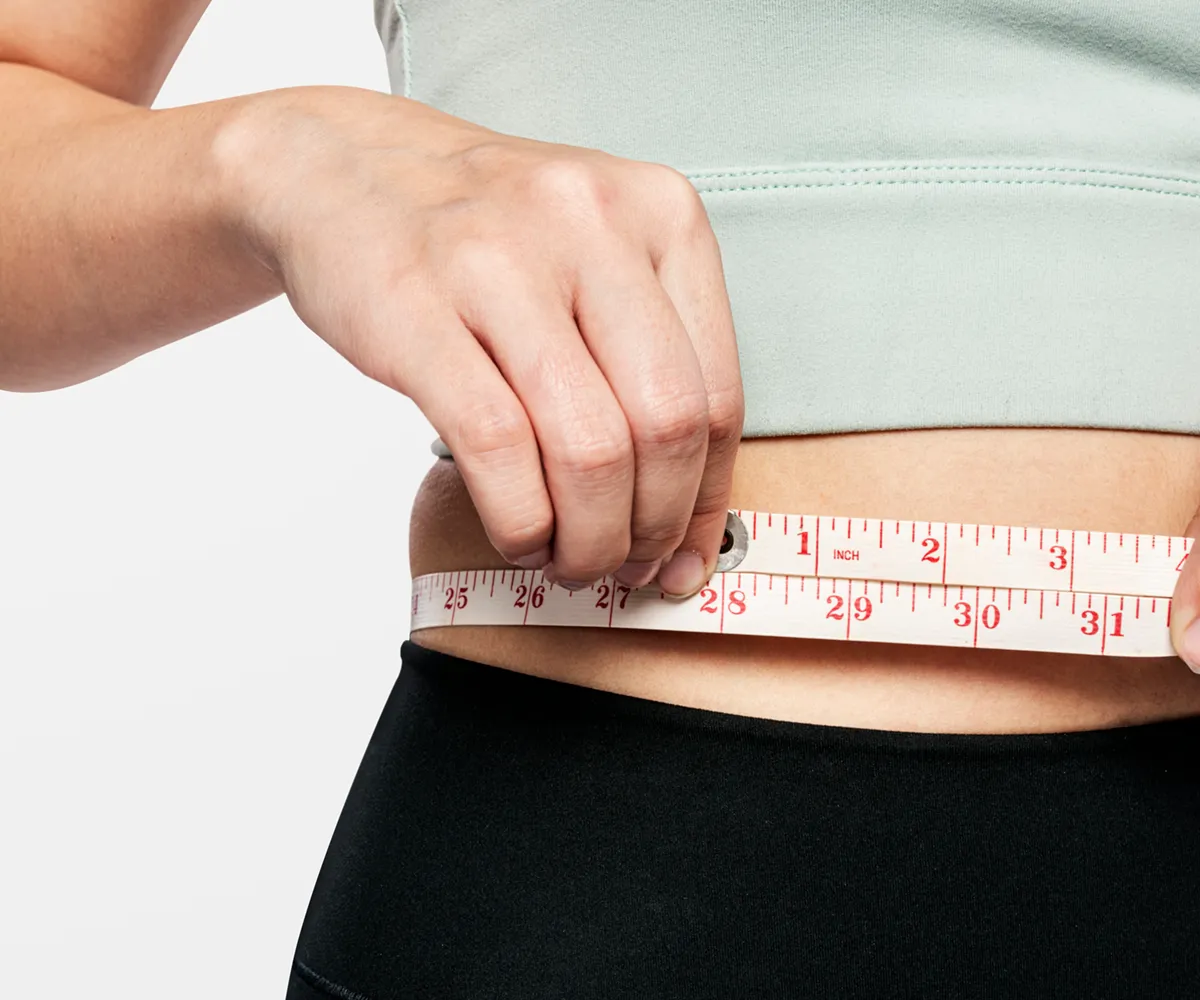
You’ve worked hard to lose weight. Now let’s talk about loose skin.
Loose skin after major weight loss can remain even when your weight is stable. Body contouring may help reshape your tummy, breasts, arms, or thighs.
Bariatric surgery transforms metabolism and health. But when the weight comes off — in some cases more than 50 kg — the skin does not follow. The result is a hanging apron of loose skin on the abdomen, sagging and deflated breasts, arms with excess skin, thighs with inner folds and back rolls. This excess skin causes recurring skin irritation, hygiene difficulties, limited movement and a significant psychosocial impact after major weight loss.
Dr. Alexandre Charão, a plastic surgeon recognized by SBCP, AMB and CFM, and a member of BAPS, with a clinic in Botafogo and surgeries at Hospital Glória D'Or (Glória, South Zone of Rio de Janeiro), is a reference in post-bariatric plastic surgery, with protocols that combine safety, correct sequencing and lasting results for patients after massive weight loss.
Why Does Surgery After Major Weight Loss Need Special Planning?
Operating on a patient after major weight loss without assessing nutritional status is one of the biggest mistakes in plastic surgery.
Patients after major weight loss present specific challenges that make this group surgically distinct: frequent nutritional deficiencies (protein, iron, vitamin B12, zinc), skin with altered structure and poorer healing capacity, a high risk of seroma in extensive resections1 and the need for evaluation and prevention of post-bariatric contour complications2.
The international literature establishes that preoperative nutritional planning is a key factor in results. The Weight-Loss and Metabolic Preparation Method — Dr. Charão's exclusive protocol — is especially relevant here: it optimizes protein and metabolic status before each procedure, aligned with perioperative nutritional and metabolic support guidelines. The body fat criterion of ≤ 32% also applies, and stable weight after bariatric surgery is an essential prerequisite before any plastic surgery.
Which procedures are available — and in what order should they be done?
Correct surgical sequencing is as important as technique. The wrong order compromises results and multiplies risks.
The preferred sequence for trunk contouring after major weight loss — adopted by Dr. Charão — prioritizes:
Abdomen — first priority in most cases
Abdominoplasty — classic, anchor (inverted T) or circumferential (360° body lift), depending on the amount of excess skin and whether there is upper abdominal fat deformity or an associated hernia. Circumferential belt lipectomy, based on the Iowa experience, treats the abdomen, flanks, buttocks and outer thighs in a single surgery. Baroudi-type adhesion stitches are systematically used to reduce seroma.
Breasts — common second stage
Mastopexy with or without implants, breast reduction or volume restoration with fat transfer, depending on the degree of sagging and remaining volume. The health burden of excess breast skin in post-bariatric women is clinically relevant and justifies surgery.
Arms, thighs and back — additional stages
Brachioplasty (arm lift), medial and lateral thigh lift, and removal of back rolls complete the body contour transformation. Splitting these procedures into multiple stages reduces the cumulative risk of each session.
Who are the scientific references that support these protocols?
Post-bariatric surgery has its own specific literature — and Dr. Charão operates in line with the world's best.
One of the leading authorities in body contouring after major weight loss is Al Aly (UT Southwestern, Dallas) — a reference author on body contouring after massive weight loss and on the University of Iowa belt lipectomy protocol, with a synthesis of trunk contouring in these patients. Michele Shermak (Johns Hopkins) published analyses of outcomes and seroma risk factors in series of massive weight loss patients. J. Peter Rubin (Pittsburgh) led studies on preoperative nutritional assessment and perioperative management of patients after weight-loss surgery, showing that protein deficiencies are a modifiable risk factor for complications.
In Brazil, these international protocols are adapted to the reality of Brazilian patients — who often have a history of open or laparoscopic bariatric surgery and a distinct nutritional profile — with individualized planning and staged sequencing.
O Globo's "Faz a Diferença" (Makes a Difference) Award (2006) and more than 200 real patient reviews on Google reflect Dr. Charão's 22-year career, in which patients with a bariatric history are welcomed with a specific protocol, individualized planning and close follow-up. Fast Track Recovery — a faster, more comfortable recovery and refined scars — is applied to all procedures, aligned with accelerated recovery protocols in cosmetic surgery, with a private WhatsApp group for each patient. Journalists from The Washington Post followed Dr. Charão during body contouring surgeries in Rio de Janeiro.
Technical Comparison of Procedures
Understand the differences between conventional post-bariatric surgery and Dr. Alexandre Charão's approach:
| Criteria | Conventional post-bariatric surgery | Dr. Alexandre Charão — Post-Bariatric |
|---|---|---|
|
Preoperative evaluation
|
• Basic laboratory tests | ✓ Full nutritional assessment + Metabolic Preparation |
|
Sequencing
|
• Variable, or at the patient's request | ✓ Evidence-based protocol — abdomen → breasts → limbs |
|
Circumferential abdominoplasty
|
✕ Not always available | ✓ Body lift / belt lipectomy with simultaneous treatment of multiple regions |
|
Seroma prevention
|
• Conventional drains | ✓ Baroudi stitches + dead space reduction protocols |
|
Nutritional risk
|
✕ Rarely addressed before surgery | ✓ Mandatory pre-op nutritional protocol — based on Naghshineh/Rubin |
|
Recovery
|
✕ 4 to 8 weeks per procedure | ✓ Fast Track Recovery: faster, more comfortable recovery |
|
Post-op monitoring
|
• Consultations at fixed intervals | ✓ Exclusive WhatsApp group with direct access to the doctor |
|
Surgical center
|
• Variable | ✓ Hospital Glória D'Or (Glória, South Zone) — D'Or Network, annual JCI accreditation |
Frequently Asked Questions about Post-Bariatric Surgery
When can I have plastic surgery after bariatric surgery?
The literature recommends waiting until your weight stabilizes after bariatric surgery — the period in which the body completes the most intense phase of weight loss. Operating earlier increases the risk of unsatisfactory results and scarring complications.
What is the first procedure after bariatric surgery?
In most cases, the abdomen — the area with the most excess skin and the greatest functional impact (skin irritation, hygiene difficulties, limited movement). See also the page on abdominoplasty with ultrasonic liposuction. The right sequence is defined during the consultation, based on an individual clinical evaluation.
Do post-bariatric nutritional deficiencies affect plastic surgery?
Yes, significantly. Protein, iron, zinc and vitamin deficiencies impair healing and increase the risk of complications. The Weight-Loss and Metabolic Preparation Method addresses these deficiencies before each procedure, aligned with perioperative nutritional support guidelines, with follow-up by a partner endocrinologist when needed.
What is a 360° body lift and when is it indicated?
It is a circumferential abdominoplasty — treating the abdomen, flanks, buttocks and outer thighs in a single surgery, following the circumferential belt lipectomy approach. It is indicated for patients with significant excess skin all around the trunk. It reduces the total number of procedures and the overall recovery time.
How many procedures are needed in total?
It depends on the amount of excess skin and the areas affected. Body contouring series after major weight loss show that multiple surgical stages are often needed. The complete plan — including breasts, abdomen, arms, thighs and back — is discussed at the first consultation with Dr. Charão.
Does Fast Track Recovery work for patients after major weight loss?
Yes. Fast Track Recovery is adapted to each patient's clinical condition — with extra attention to pain control, perioperative nutritional support and scar monitoring — aligned with accelerated recovery protocols. The private WhatsApp group ensures direct access to the doctor throughout recovery.
Can post-bariatric plastic surgery be covered by health insurance?
In some cases, yes, when there is a documented functional indication — such as recurring skin irritation, hygiene difficulties or postural limitations caused by excess skin. Dr. Charão advises each patient on coverage criteria and the documentation needed at the evaluation consultation.
Where does Dr. Charão perform post-bariatric plastic surgery?
At Hospital Glória D'Or, in the Glória neighborhood, South Zone of Rio de Janeiro — part of the D'Or Network, with annual JCI accreditation. The consultation clinic is in Botafogo, also in the South Zone. Care in Portuguese, English and French for patients from Brazil and abroad.
Ready to plan your body contouring after major weight loss?
Schedule an in-person consultation in Botafogo or a private virtual consultation directly with Dr. Alexandre Charão's team.
📅 Schedule your consultation on WhatsApp📚 Scientific Bibliography
- Shermak MA, Rotellini-Coltvet LA, Chang D. Seroma development following body contouring surgery for massive weight loss: patient risk factors and treatment strategies. Plast Reconstr Surg. 2008;122(1):280-288. doi:10.1097/PRS.0b013e31817742a9
- Michaels J 5th, Coon D, Rubin JP. Complications in postbariatric body contouring: strategies for assessment and prevention. Plast Reconstr Surg. 2011;127(3):1352-1357. doi:10.1097/PRS.0b013e3182063144